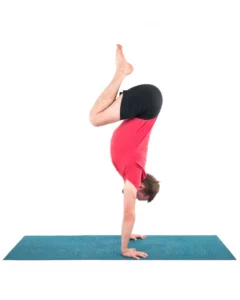
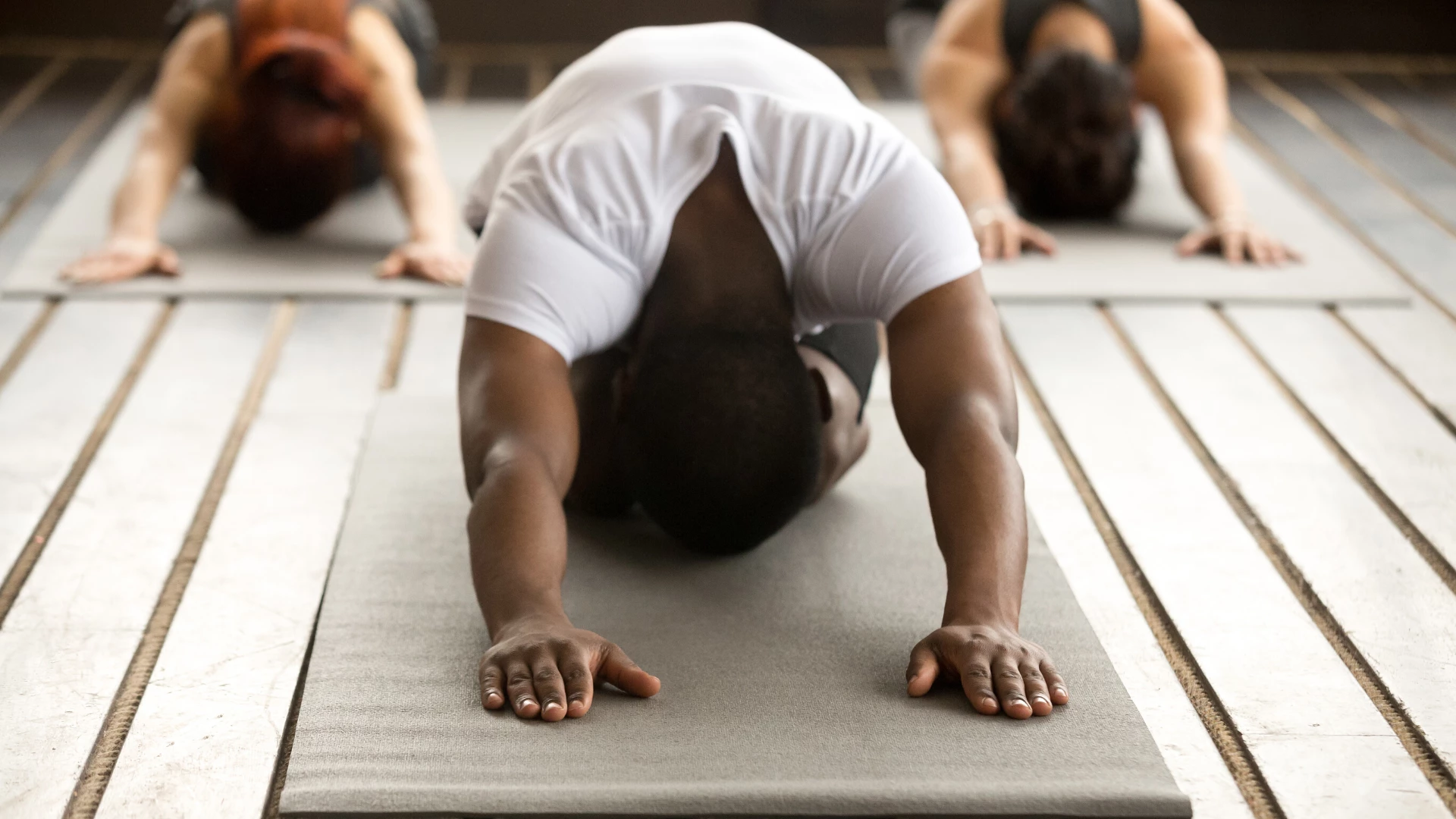
The current evolution of yoga practice, outside of evidence-based yoga therapy practices, is heavily weighted toward Vinyasa or Flow Yoga. While a talented teacher can create a flow sequence that provides a student with the experience of relative balance and a sense of release, these types of practices rarely change a person’s dysfunctional movement patterns.
A lack of awareness of pelvic positioning in yoga poses can lead to strain in several areas. I see many students who have developed sacroiliac (SI) joint pain, lower back pain, or knee pain as a result of a misaligned and/or imbalanced yoga practice. While it is likely that someone’s pelvic imbalance existed before they began a yoga practice, not knowing how to address the imbalance in their yoga practice can lead to further difficulties.
3 Yoga Practice Tips You Need to Know for SI Joint Balance
1. Discover Your Pelvic Clock
Consider the front of your pelvis as a clock face. The navel represents 12:00, left hip is 3:00, inner groin or pubis is 6:00, and the right hip is 9:00. When standing, think of balancing both the horizontal and the vertical lines of the clock face. Where the two lines cross is considered the pit, or center, of the abdomen. When the clock face is perpendicular to the floor, i.e., making the face of the clock flat when standing, the crossing point is directly in line with the fulcrum or center of your sacrum. Also, by balancing both the horizontal and vertical lines, we bring our pelvic floor parallel to the earth, creating stability in the hips and spine. I recommend stabilizing your clock face before moving into your yoga poses.

2. Choose to Balance Your Practice
I recommend students avoid a one-sided practice. This means avoiding several different poses on one leg/side before repeating the poses on the second leg/side. To develop pelvic balance, we need feedback from our muscles and nervous system to become more aware of how we are moving through space. If we overload one leg with poses and fatigue the muscles, we lose the feedback necessary to compare one side to the other. By practicing the poses individually, one side and then the other, we develop and improve the conversation between both sides.

3. Asymmetric vs. Symmetric Yoga Poses
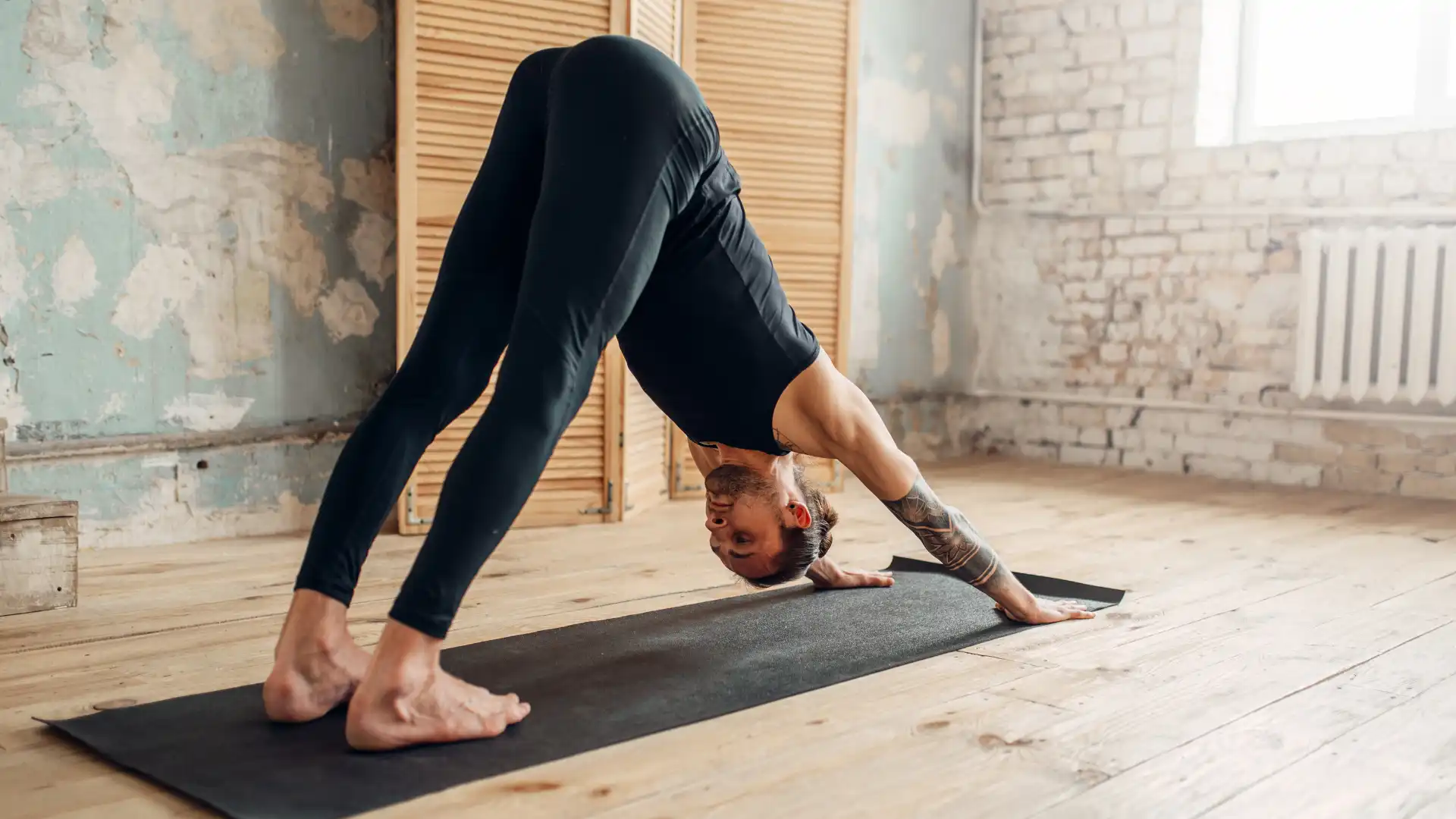
Have you observed that some poses make you feel unstable, and some make you feel stable? In an asymmetrical pose, meaning one leg is doing something opposite or different from the other, such as in Virabhadrasana I (Warrior I Pose), we tend to have more of a challenge with balance. If a pose typically has two sides, we could say it is asymmetrical. In a symmetrical pose, we feel naturally stable. Examples of symmetrical poses include Prasarita Padottanasana (Wide Leg Forward Bend Pose), Uttanasana (Standing Forward Bend Pose), Adho Mukha Svanasana (Downward Facing Dog Pose) and Salabhasana (Locust Pose). Consider using stabilizing poses at the end of a sequence, or scatter them throughout your practice to observe and adjust your pelvic rotation for optimal balance.

Study with Lillah Schwartz and YogaUOnline – Yoga for a Healthy Back-Addressing Pelvic Asymmetry.


 Lillah Schwartz, C-IAYT Certified Yoga Therapist, is an Asheville-based yoga teacher, teacher trainer, and author with more than 35 years of experience. A certified yoga therapist, her specialties include her book, Healing Our Backs with Yoga: An Essential Guide to Back Pain Relief, which came out in 2016. Lillah also has three therapeutic yoga DVDs for back pain relief.